Almost everybody has been stuck in a class that feels like it’s never going to end. At first it is easy to pay attention, but after a while boredom kicks in, tired, and the clock seems to move slower and slower. This happens a lot more with block scheduling, when classes are longer than usual. Instead of helping students, block scheduling might be one of the reasons students struggle.
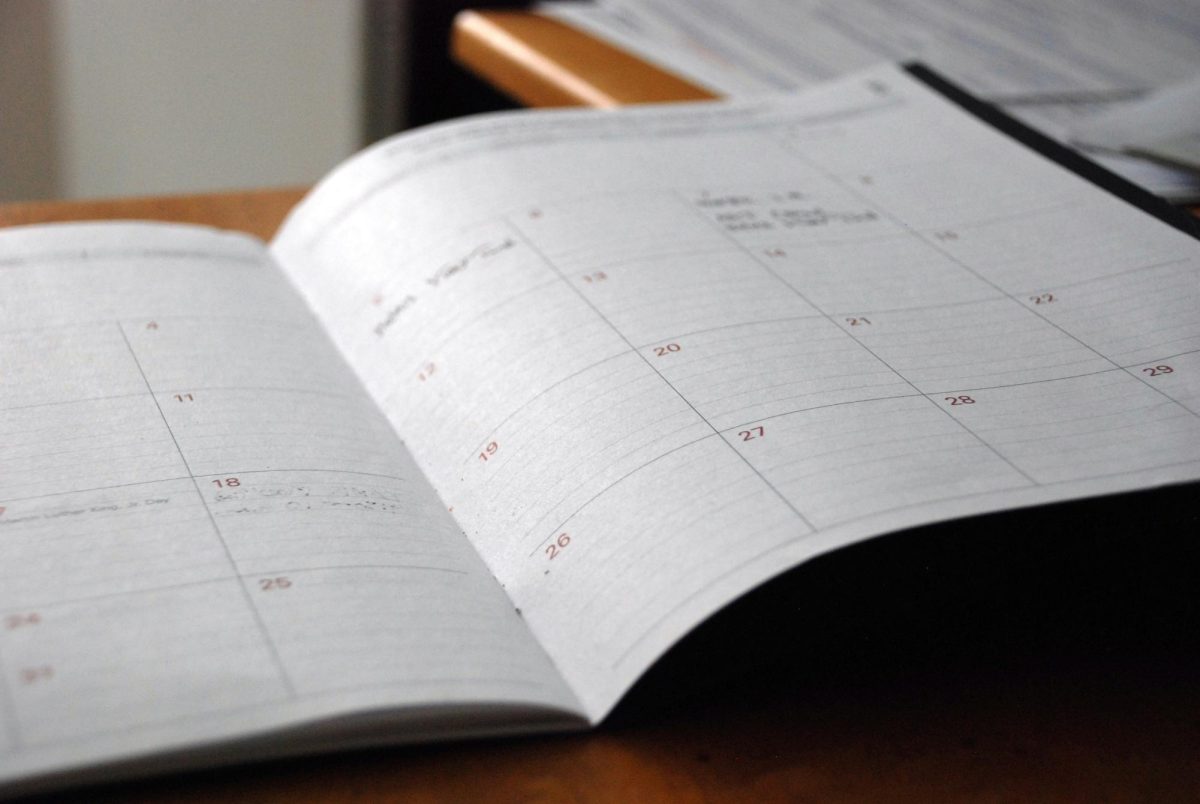
Block scheduling is when students have fewer classes each day but each class lasts around 80-90 minutes instead of the usual shorter periods. Even though it sounds like it would give students more time to learn, it actually causes more problems. Block scheduling makes it harder to focus, can lead to lower scores, and increases stress for students.
One big issue is that the classes are too long, and students can’t stay focused that whole time. According to the Evanstonian, “many students cannot focus for 85 minutes and valuable class time is wasted”(Klearman). This shows that longer classes don’t actually mean better learning. The Muddy Rivers article also says that students start losing focus after about 10-15 minutes, which means the extra time they have isn’t even useful. On top of that Utopia explains how block scheduling can be harder because there’s less continuity, so students don’t see the same class everyday and most likely forgot what they learned.
Another problem is that block scheduling can lead to lower scores and worse understanding. Even if some students do okay, many struggle because of that long gap in between classes. If you don’t have the same class everyday it’s easier to forget the material before the time you have it. Also, if you miss just one day of school, it’s just like missing two days of a regular schedule. Some sources mention that scores can improve, but students often have to spend more time outside of class teaching themselves, which defeats the purpose of block scheduling.
Block scheduling can also increase stress for students. Sitting in a long class all day can feel draining, and it’s harder to stay motivated. Some students even feel “completely out of it” just waiting for an 85-minute class to end. There’s also less movement during the day, which can make school feel more exhausting and less engaging. School already comes with pressure, and block scheduling adds to it.
Overall, block scheduling might seem like a good idea, but it actually creates more problems than it solves. It makes it harder for students to focus, can hurt their grades, and adds more stress to their day. Schools should really think about whether longer classes are actually helping students, or if they’re just making learning harder.