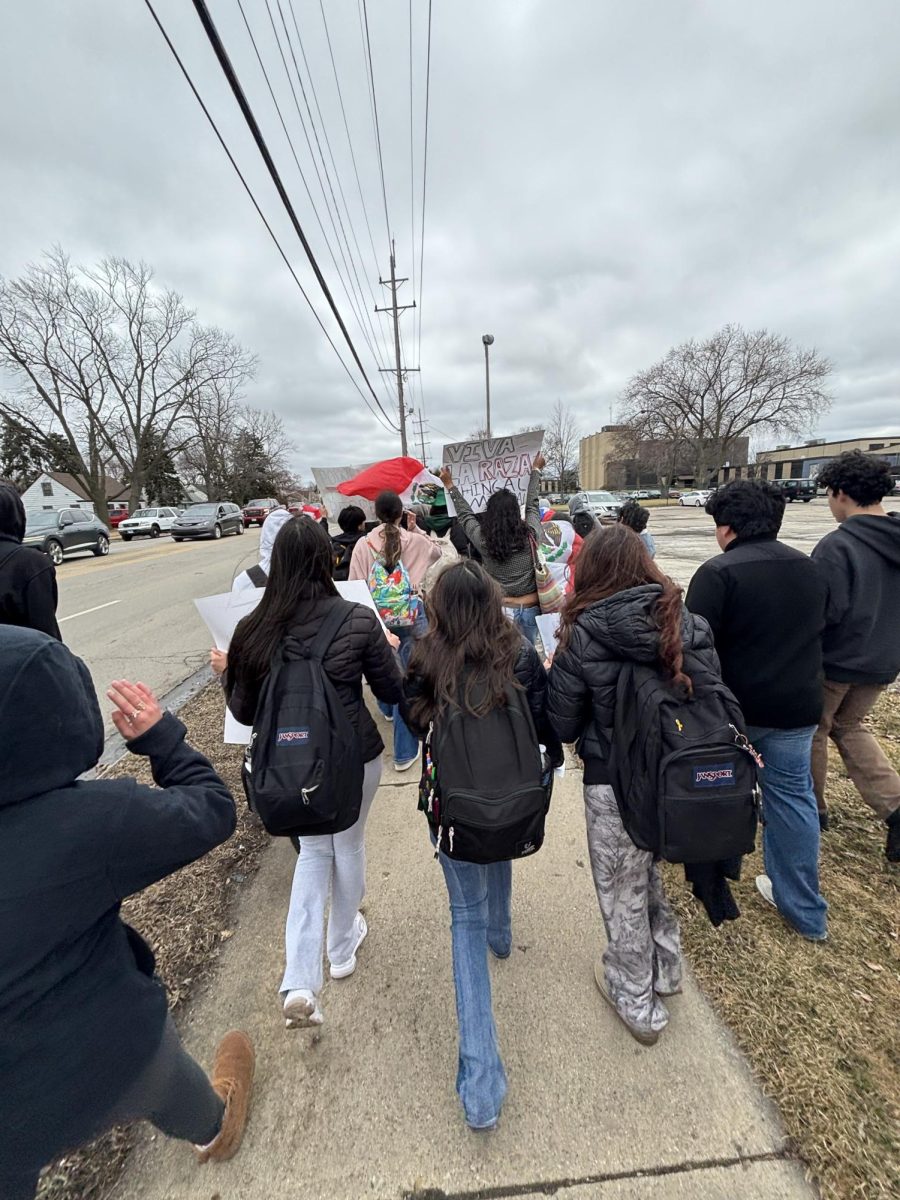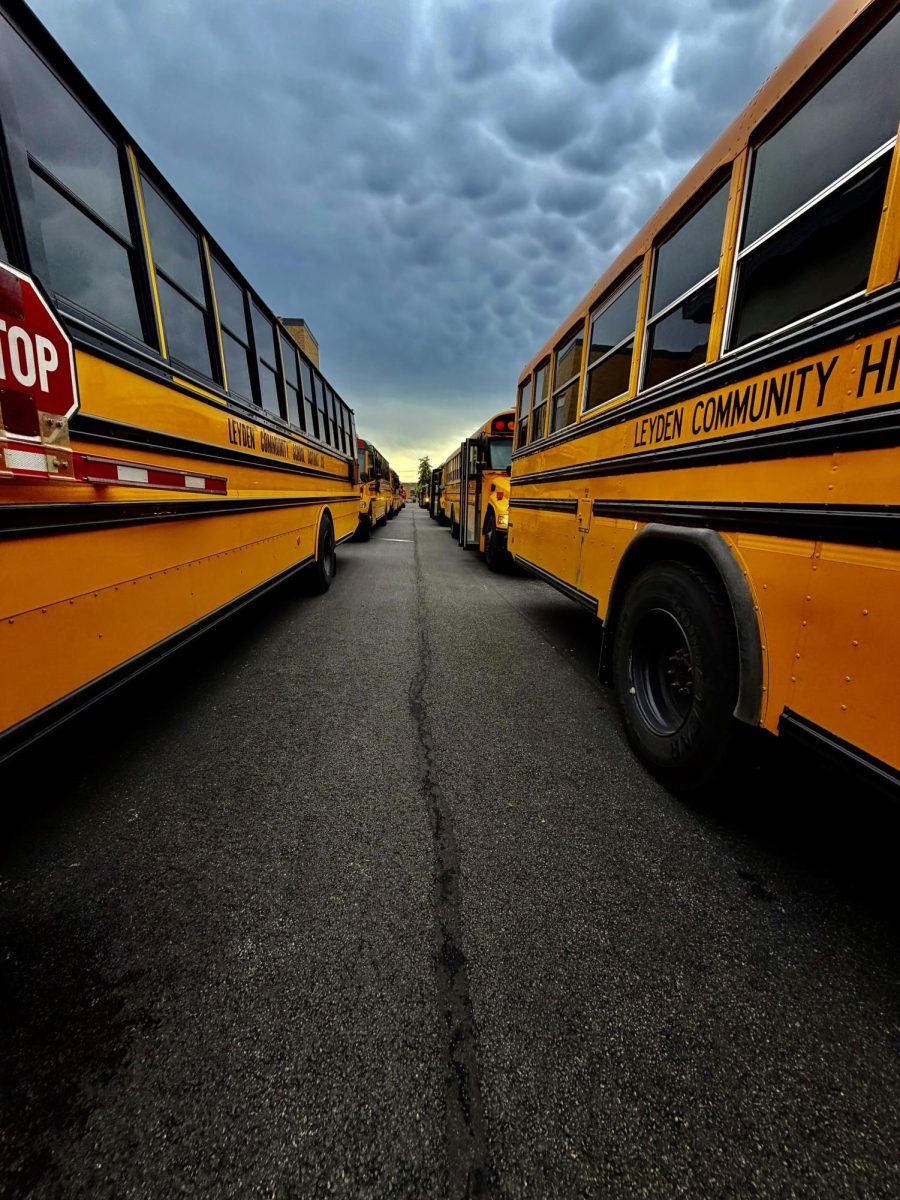

Imagine spending eight straight hours at school, moving from classroom to classroom without a real change of scenery. When lunch finally arrives, it often means standing in long lines, squished between people, for food that is, at best, mediocre. If you decided to avoid the lunch lines altogether, you’re still left looking for a place to sit in an overcrowded space where chairs and tables are already claimed. Now compare that to a different possibility: stepping outside into fresh air and warm sun, taking a genuine break from the school environment, and choosing a meal that you will actually enjoy. That kind of rest is what a lunch break should feel like. For these reasons, students should be given the option to go off-campus for lunch.
Students need more than just a break. They need a change of environment during the school day in order to stay focused because it is mentally and physically exhausting. As a student, I’ve felt how tiring it is to stay in the same crowded, noisy spaces all day, glued to chromebooks, without a real rest. Off-campus lunch would give students that change, and it also allows them to choose how they spend their time, whether that means being alone to recharge or being with close friends. Christine Burke, a parent of a student notes, “Students learn time management and can use the time to take a breather from a busy day of school” (Burke).
Allowing for off-campus lunch does not only benefit students, but teachers as well. Maddy Daly, a teacher and chief editor at Lancer Link states, “It is physically exhausting to be front and center all day long, and the body and mind both need a real break, not just a short lunch period. Teaching is an isolating job” (Daly). Teachers often do not get a normal lunch break because they are either grading, attending meetings, preparing for the next lesson, or even helping students with work. This makes it even more important for teachers to have a chance to step away and recharge during the day. Overall, it creates a healthier and more productive environment for both students and staff.
A concern often raised is that off-campus lunch could create safety issues, since schools are responsible for students during the day and could be held accountable if something goes wrong. This is a valid point, as staff and teachers want to ensure that students are protected and safe at all times. However, this risk can be managed through clear policies and parental agreement. Gavin Moan, a high school student at the Norix community, gave a solution stating schools can require parents or guardians to sign a waiver or release form that transfers responsibility to them once a student leaves campus for lunch (Moan). This system allows families to decide what is best for their child while reducing the liability placed on the school.
Additionally, many students already demonstrate responsibility in other areas of their lives, such as driving or working part time jobs, showing they are capable of handling this privilege. With proper guidelines in place, safety concerns should not prevent schools from offering off-campus lunch as an option.
Another reason students should be allowed to leave campus for lunch is that many simply do not want to eat the food provided at school. School lunches often lack variety, fail to meet personal preferences, or do not accommodate dietary restrictions, which can leave students feeling unsatisfied. As a result, some students skip lunch altogether or settle for something they do not enjoy. Daly explains, “Students may decline school lunches for a variety of reasons, but when asked, 34% of students say that they do not eat the school lunches due to disliking the school meals, and 22% say that the line for school meals is too long”(Daly). These percentages highlight the reasons that stop students from eating school lunches. Being able to choose their own meals allows students to meet their individual needs and ensures they are more likely to eat and stay energized throughout the day.
Off-campus lunch provides strong benefits to both students and teachers by improving focus, well being, and daily satisfaction. It gives students the freedom to make responsible choices while also allowing teachers the chance to recharge during a chaotic day. With the right guidelines in place, off-campus lunch can create a more balanced, productive and positive school environment for everyone.