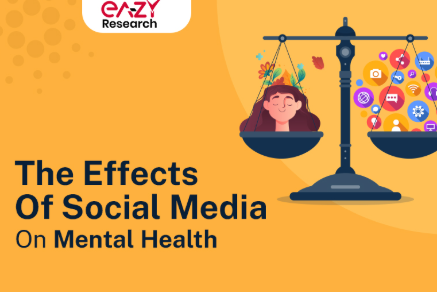
Teens today are growing up with social media everywhere, especially apps like Tiktok. While these platforms can become fun and help people stay connected, many students say that the pressure from trends, filters, and online expectations can negatively affect their mental health.
As social media becomes a bigger part of our daily lives, students and experts are becoming more concerned about how it affects mental health problems like comparing yourselves to others, cyberbullying, and online pressure. This shows why social media impacts mental health.
According to experts in youth mental health. These digital spaces can have negative effects on mental health and how young people view their own bodies.
Many students report that social media can increase anxiety, stress, and low self-esteem. “I think social media impacts on mental health because people compare themselves to others or feel peer pressure to do things just because they are trending” Rayan Allababidi, a Sophomore at East Leyden, explained that constant comparison can make teens feel pressured to change themselves or act differently to fit in.
Other students highlight issues like cyberbullying and unrealistic online standards “where someone receives hate or bullying online. It hurts because it’s behind a screen where nobody else takes the blame except you” Orimar Guevara, a Sophomore at East Leyden, said. Platforms such as Tiktok often feature heaving filtered context, which can lead teens to believe that online appearances are a standard they must meet “people sometimes see others online and think, ‘why am I not like that?’ and that really impacts mental health.” she said.
Olivia Czajka, a sophomore at East Leyden said that “I believe that social media can affect mental health.” She explained that filters, makeup, and creators look different than they do in real life. Which many viewers don’t always realize. “People watch these videos and think ‘why can’t I be like her’ even though what they’re seeing isn’t always realistic.” She explained.
Kamila Mendze, a sophomore at East Leyden, recalled that many teens go home and immediately turn to their phones instead of engaging in activities that could support their well being. She added that negative comments on social platforms are common. Over time, this kind of online behavior can lower someone’s confidence and creates an unhealthy digital environment.
“I think social media impacts mental health because people can feel pressure to keep up with everything online, which causes fear of missing out.” Aya Salha, a Junior at East Leyden. She added that constantly comparing yourself to others on social media platforms can lower your confidence and make people feel worse about themselves. Cyberbullying is another common issue. She said, and it can deeply affect someone’s emotions and sense of safety online.
Sofia Vargas, a sophomore at East Leyden. “I think social media affects mental health because there are so many people on it, and you can easily compare yourselves to others” She explained that this constant comparison can make some teens feel pressured to change parts about themselves or act differently to fit in.
“I believe social media impacts mental health because it’s what so many teens are attached to.” Alyssa Bahena, a sophomore at East Leyden. She explained that when young people turn to social media for connections or support, even small mistakes or hurtful ones because it’s behind a screen where nobody else takes the blame except you” she said.
According to a 2020 survey, 44% of all internet users in the U.S. reported experiencing online harassment experts say cyberbullying, which occurs when someone repeatedly and intentionally harasses or mistreats another person though electronic devices, can be notspots for spreading hurtful rumors, lies, and abuse that may leave lasting emotions sacars.
While social media offers many benefits, overuse can pose risks, particularly for young people. The United States Surgeon General warned in a 2023 advisory that frequent social media use may be linked to changes in brain regions responsible for emotion and learning. The advisory also noted that it can impact impulse control, social behavior, emotional regulation, and sensitivity to social rewards and punishments.
City leaders are also taking notice, social media has been labeled a public health hazard because of its effects on youth mental health. Mayor Eric Adams (D) said in a recent address that New York is the first major U.S. city to take steps to address social media that can negatively influence young people’s emotions.
Although social media offers connection and entertainment, students say its influence on mental health, making awareness and responsible use increasing for today’s teens.