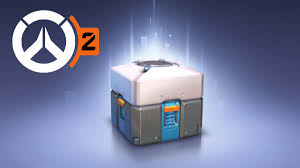
Skins, a form of costumes that’s adapted into gaming culture, comes with a price tag. Usually Skins in-games account for “30-50” percent of monetization. Cosmetics bring a lot of personalization to the table. That’s why people love them. Skins aren’t all sunshine and rainbows. They create a lot of problems such as Pay to Win advantages, and gambling risks from lootboxs. If this isn’t fixed, games might suffer from this form of monetization.
Game companies have started a new monetization strategy that creates an imbalance of character designs/skins. Recently characters continuosly are milked to create the most profit, which creates a bad monetization strategy. Customization ensures returning player count and overall happiness of gamers, but it started to go downhill, once skins kept going to the same characters. People might say that this issue doesn’t affect game play and it’s just a skin, but it’s way more than that. Skins are a form of customization, and create a way of representation for characters that aren’t appreciated. Even though the same characters who get a lot of skins do show representation; it’s usually the same race, so it doesn’t give other characters the chance to shine. Game companies should find out another monetization strategy instead of relying on character features.
Games get popular for many reasons, but customization is a returning feature. Being able to bring in elements from our worlds “to immerse yourself in fantasy while still feeling an interpersonal connection” (Valentino Jamie ). Sensing that connection is like reading a book, and getting lost in it.
As an avid gamer myself, I know that customization is so important in games. One of the games I play is Tomodachi Life Living the Dream, and in this game I’m able to create people from my life. That’s why I love it so much because it’s my own personal game . No one else is going to have the same experience as me. The same thing applys to avatars people create, and only limited to the player’s imagination.
The overproduction of skins that only go to certain characters creates a bad precedent for the owners of these game companies. Overwatch and Marvel Rivals suffer from this heavily because it seems like they focus more on certain character skins than overall gameplay. It’s sad that some people might not ever see themselves in games just because their race or nationality don’t pay the “bills”. This new skin strategy should change because skin “monetization often accounts for 30- 50% of total revenue” (Sipolin).
Representation matters in every corner of the world, and with the introduction of gaming in the past decade. It’s made possible for people to see different nationalities and races in gaming. Having the same characters used as money machines leads a lot of groups to not be represented. That’s why “inclusive game design [and narrative development to] better represent and engage underrepresented communities” (Changing the Narrative).
There are a lot of reasons to back away from the skins only monetization because it creates a snowball effect that could affect a lot of people. It’s not the only type of monetization in gaming. There are a lot of other ways to make money without creating a worse experience for consumers from a business POV. Mircotransactions are “small, in-game purchases that typically come in the form of downable content (DLC)” (“Game Monetization for”). DLC adds more content to games, while usually not creating problems for consumers.
It’s more important than ever for people to represent themselves with the change of political climate recently. It would benefit everyone if games could back away from the money hunger model for skins to “prevent the reproduction of real-world cultural stereotypes when creating new fictionalized cultures” ( Changing the Narrative). Every culture is beautiful, and should be represented when it has the chance. As well the LGBTQ should be represented for characters and in skins if it has the chance. We should include everyone no matter race or sexuality.
Not everyone would agree with this, but being Hispanic myself I see how other marginalized groups like different cultures and LGBTQ people are treated, and it brings a tear to my eye. That’s why I feel like it is important to remind everyone that representation matters in all forms.
Not all of these actions or reasons are absolute changes to how monetization works in the real world for games. Real life is complicated, and as consumers it is our job to point out the hypocrisy that these companies might do. Modeling, writing, and coding are all very hard things for people to master, and we should appreciate it more. As well, understanding other cultures and norms will bring us closer as a community to ensure that everyone is loved and respected:).